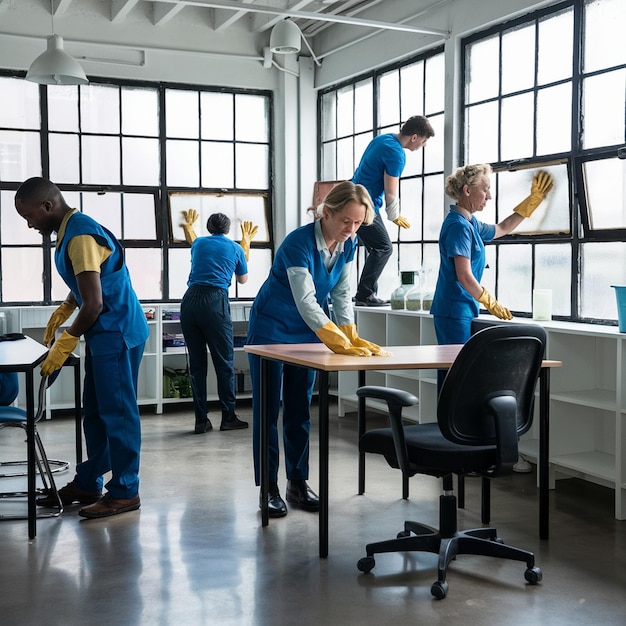
Understanding Before Acting
Our methodology begins with knowledge about materials. This foundation shapes every cleaning decision and produces results that last.
Return HomeThe Foundation of Our Approach
We built our service on a straightforward principle: different materials need different care. This seems obvious, yet standard cleaning often treats everything similarly. A method that works well for one surface might damage another. Understanding these distinctions matters more than speed or convenience.
Our philosophy developed from observing what happens when items receive inappropriate care. Wood finishes cloud from wrong products. Fabrics lose color from harsh chemicals. Electronics fail from moisture exposure. These problems stem from treating all surfaces as if they're the same.
We believe valuable items deserve informed attention. This means learning about materials before touching them, choosing methods based on composition rather than convenience, and taking time to work carefully. The approach might seem cautious, but it prevents the damage that makes restoration necessary.
Three core beliefs guide our work. First, knowledge comes before action—we research materials we're unfamiliar with rather than guessing. Second, gentler methods work better over time—aggressive techniques might show quick results but often cause gradual damage. Third, transparency builds trust—clients should understand what we're doing and why.
Knowledge First
Understanding materials before applying any cleaning method
Gentle Methods
Careful techniques that preserve rather than stress materials
Open Communication
Clear explanation of methods and reasoning throughout
The Finero Method
Our process follows a consistent framework that adapts to each situation while maintaining core principles. Each phase builds understanding that shapes the next.
Material Assessment
Before any cleaning begins, we identify what we're working with. What type of wood is this furniture? What finish was applied? Is this natural or synthetic fabric? What coating does this glass have? These questions aren't academic—they determine which products and methods are safe.
We examine items closely, sometimes using simple tests to confirm material types. A drop of water on wood reveals whether finish is present. Touch indicates fabric composition. Visual inspection shows manufacturing methods. This investigation takes time but prevents the costly mistakes that come from guessing.
Method Selection
With materials identified, we choose appropriate cleaning approaches. This draws on our training in material science and years of documented experience. We know which solvents work with which finishes, which temperatures suit different fabrics, which tools clean without scratching.
If we encounter unfamiliar materials or unusual situations, we research before proceeding. We consult conservation resources, contact manufacturers when possible, and test methods on inconspicuous areas. This caution might seem excessive, but protecting your items matters more than speed.
Client Consultation
Before starting work, we explain our intended approach. What products will we use? Why these specific methods? What results should you expect? This conversation ensures you understand the process and feel comfortable with our plan.
We welcome questions and concerns. If something about our approach worries you, we want to address that before beginning. Sometimes client input reveals information we didn't know—perhaps a previous treatment was applied, or certain areas are particularly fragile. This dialogue improves our work.
Careful Execution
The actual cleaning follows our established plan while remaining responsive to what we observe. We work methodically, checking results as we proceed. If something responds differently than expected, we pause to reassess rather than continuing blindly.
We allocate sufficient time for thorough work. Some surfaces need multiple gentle passes rather than one aggressive scrub. Delicate items require patience. We don't rush because our pricing doesn't incentivize speed over care. The goal is appropriate results, not fast completion.
Documentation and Review
After completing work, we document what we did and what we observed. Which products worked well? Did we notice any developing issues? What should we remember for next time? These notes improve future service for your items and inform our work with similar materials.
We review results with you, pointing out what was accomplished and discussing any concerns. If we noticed potential problems—a developing crack, loose veneer, fabric wear—we mention them. You should know about issues we observe while working closely with your items.
Ongoing Adaptation
Each service builds on previous experience. We refine our approach based on what we learn. Items change over time—finishes age, materials settle, new wear appears. Our method adapts to these developments while maintaining consistent care standards.
This continuous improvement means your tenth cleaning session benefits from insights gained during the first nine. We're not repeating the same procedure mechanically but applying accumulated knowledge to evolving conditions. The method stays fresh through constant learning.
Evidence-Based Practice
Our methods draw from established conservation science and material research. We study published guidelines from museum conservators, furniture restoration professionals, and electronics manufacturers. These sources provide tested approaches rather than guesswork or tradition.
Material science research informs our product choices. We understand how different solvents interact with various finishes because chemists have documented these reactions. We know appropriate pH levels for cleaning different fabrics because textile scientists have established safe ranges. This knowledge base prevents the trial-and-error that might damage your items.
Safety standards guide our work with electronics and modern materials. Anti-static procedures for sensitive components follow industry protocols. Cleaning methods for coated surfaces respect manufacturer specifications. When official guidance exists, we follow it. When it doesn't, we consult with specialists before proceeding.
We maintain records that function as our own research database. Which method worked for 18th-century shellac? How did we successfully clean that unusual stone type? What approach proved effective for those specific electronics? This documentation creates an evidence base specific to our work, complementing published research with practical experience.
Conservation Standards
Methods based on museum conservation practices adapted for residential items
Material Research
Chemistry and material science literature informing product selection and techniques
Industry Protocols
Manufacturer guidelines and professional standards for specialized items
Documented Experience
Eight years of recorded outcomes creating practical knowledge base
Understanding Conventional Limitations
Standard cleaning services face constraints that affect results with specialized items. These limitations aren't failures of effort or intention—they come from how conventional cleaning is structured and what it prioritizes.
Time pressure creates the first challenge. When services charge by the hour or schedule many appointments daily, spending extra time identifying materials or researching methods becomes financially impractical. Speed becomes necessary, even when items would benefit from slower, more careful attention.
General training prepares teams for common situations but doesn't cover specialized materials in depth. A cleaner might know how to clean standard wood furniture but not distinguish between shellac, lacquer, and oil finishes—distinctions that determine appropriate products. This knowledge gap isn't about competence; it reflects training focus.
Product selection in conventional cleaning favors versatility over specificity. A single cleaner that works adequately on many surfaces is more practical than carrying specialized products for each material type. But adequacy doesn't equal appropriateness for valuable or delicate items.
Risk tolerance differs when working with everyday items versus valuable possessions. Conventional cleaning reasonably accepts minor risks in exchange for efficiency. A small chance of streaking or minor dulling might be acceptable for standard furniture. That calculus changes with antiques or collections.
Where Conventional Cleaning Works Well vs. Where It Falls Short
Works Well For:
- Standard modern furniture with durable finishes
- Common surfaces with established cleaning routines
- Items where replacement cost is modest
- General maintenance of everyday spaces
Falls Short With:
- Antique items with delicate or aged finishes
- Specialized materials requiring specific knowledge
- Valuable collections or irreplaceable pieces
- Items where damage risk outweighs speed benefits
What Makes Our Approach Different
We've structured our service to address the limitations that affect conventional cleaning of specialized items. These differences stem from deliberate choices about how we work and what we prioritize.
First, we specialize rather than generalize. Our focus on delicate surfaces, electronics, and collections allows deeper knowledge development than spreading across all cleaning tasks. This specialization means team members can invest time learning material science, conservation techniques, and specific item care.
Second, our pricing structure removes time pressure. We charge per session rather than hourly, eliminating the incentive to rush. If an item needs extra care or research, we can provide that without financial penalty. This seemingly small difference fundamentally changes how carefully we can work.
Third, we maintain an extensive product inventory. Rather than versatile general cleaners, we stock specialized solutions for different materials. pH-appropriate fabric cleaners, finish-specific furniture products, anti-static electronics solutions—we have what each item type actually needs.
Fourth, we document extensively. Our records create institutional knowledge that persists beyond individual experience. When a team member encounters a situation similar to one we've handled before, documented solutions are available. This system means clients benefit from our collective learning.
Finally, we embrace consultation. Many services minimize client interaction to maximize efficiency. We do the opposite, engaging in detailed discussions before and after work. This communication ensures alignment between our methods and your expectations while providing education that helps you care for items between our visits.
Specialized Focus
Deep knowledge in specific areas rather than surface coverage of many
Time Allocation
Pricing that enables thorough work without rushing
Material-Specific Products
Extensive inventory of specialized cleaning solutions
Knowledge Systems
Documentation that captures and shares learning
Client Partnership
Detailed communication before, during, and after service
Continuous Learning
Regular training and research integration
How We Track Progress
Results matter, but measuring them appropriately matters equally. We've developed frameworks for assessing outcomes that reflect what actually indicates successful care.
Visual improvement provides the most obvious measure. We photograph items before first service and periodically thereafter, creating visual records of condition over time. These images show whether items maintain their appearance or improve with regular care. Clients can see the difference between when they started service and current condition.
Material integrity offers another indicator. We monitor whether finishes stay intact, fabrics maintain their structure, joints remain tight, surfaces resist damage. Successful care preserves these qualities rather than allowing gradual degradation. Regular inspection during cleaning sessions lets us track these aspects systematically.
Client confidence represents a less tangible but equally important outcome. We ask whether you feel comfortable with how your items are being maintained. Do you understand what we're doing? Do you trust the process? Are your concerns being addressed? These factors indicate whether our approach meets your needs beyond just physical cleaning.
Maintenance sustainability shows whether our methods work long-term. Items that need increasingly intensive intervention suggest approaches aren't working. Those that maintain condition with consistent light care indicate sustainable methods. We track whether items become easier or harder to maintain over time.
Problem prevention serves as a final measure. Do we catch developing issues early? Do materials stay healthy rather than requiring rescue? Prevention-focused care should mean fewer surprises and emergencies. Our documentation tracks whether we're achieving this preventive goal.
What Success Looks Like
Visual Consistency
Items maintain or improve their appearance across service sessions
Material Preservation
Finishes, surfaces, and structural elements remain intact over time
Client Comfort
You feel confident about the care your items receive
Sustainable Maintenance
Care becomes easier over time rather than more demanding
Early Detection
Potential issues identified and addressed before becoming problems
Methodology Built Through Practice
Eight years of specialized cleaning work has refined our approach into a reliable methodology. We've learned what works through careful documentation of outcomes, study of conservation science, and continuous improvement of our practices. This accumulated knowledge shapes every service we provide.
Our competitive advantage lies not in secret techniques but in systematic application of established principles. We take time to understand materials before cleaning them. We use products appropriate for each surface type. We document our work to build institutional knowledge. We communicate clearly with clients throughout the process. These aren't revolutionary ideas—they're fundamentals applied consistently.
What makes our methodology effective is the integration of multiple knowledge sources. Conservation science provides theoretical foundation. Material research informs product selection. Manufacturer guidelines ensure safe practices with modern items. Documented experience creates practical wisdom specific to situations we encounter regularly. Together, these sources create a knowledge base that improves with every project.
The unique value we offer comes from specialization. By focusing on delicate surfaces, electronics, and collections, we've developed depth of knowledge that generalist services can't match. We know these materials thoroughly because we work with them constantly. This expertise allows us to solve problems efficiently and avoid common pitfalls that damage valuable items.
Our methodology continues evolving. New materials enter the market requiring new approaches. Research reveals better methods for familiar materials. Client feedback highlights aspects of service that matter most. We incorporate these learnings systematically, ensuring our approach stays current while maintaining proven core principles.
Experience Informed Care
If your items would benefit from a methodology built on material knowledge and careful practice, let's discuss how our approach might serve your needs.
Begin the Conversation